Is AI BaZi Reading Accurate? Separate the Calculation from the Interpretation
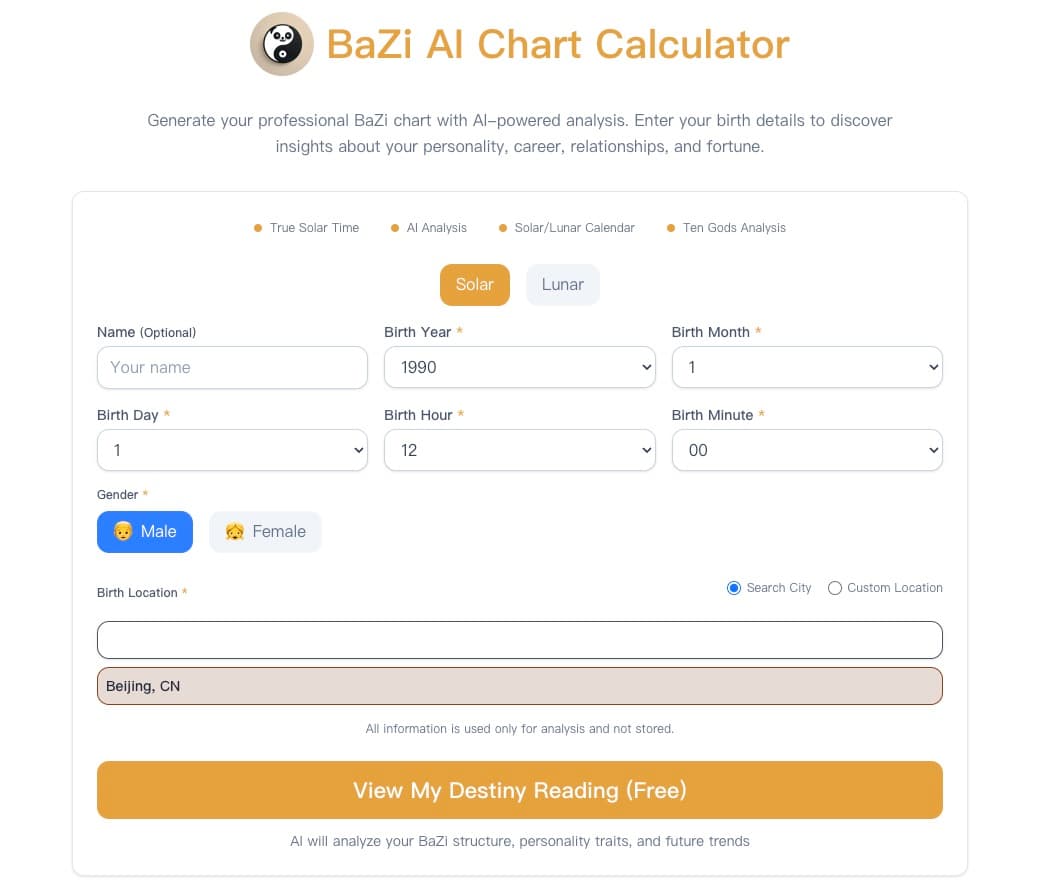
"Is AI BaZi reading accurate?" is really two questions. The first has a right answer: are the Four Pillars, the luck pillars and the dates correct? The second does not: is the interpretation of those pillars meaningful for your life? Mixing them up is how people end up trusting the wrong part of a reading.
Part 1: The Calculation Can Be Checked
A BaZi chart is calendar arithmetic. Given a birth date, time, place and gender, the year, month, day and hour pillars and the sequence of ten-year luck pillars are fixed. Two correct calculators that follow the same conventions produce the same chart. That makes this part testable, and it is where AI tools most often fail without telling you.
Where Calculations Go Wrong
A general-purpose chat model does not run a calendar. It predicts plausible text, and a plausible-looking pillar is not the same as the correct one. The fix is structural: calculate with a calendar engine, then interpret. The ChatGPT BaZi prompt guide walks through these checks with worked examples.
Birth Time Is the Weakest Input
Even a perfect engine cannot repair an uncertain birth time. Each hour pillar covers two hours, and a birth near the edge of one can flip with a small error or a longitude adjustment. When the time is unknown, a careful reading says which conclusions rely on the hour pillar — traditionally children and later life — and which rest on the other three pillars.
Part 2: The Interpretation Is a Tradition, Not a Measurement
Once the pillars are right, a reading applies classical rules: how strong the day master is, which elements support or strain it, how the ten gods interact, how each luck pillar shifts the balance. Experienced practitioners disagree on details, and there is no scientific evidence that BaZi predicts specific life events. A trustworthy AI reading is honest about that.
What an AI does well here is explain clearly, stay consistent with the chart and answer follow-up questions patiently. What it can also do is sound more certain than the tradition itself. Be careful with readings that:
How BaZi Agent Is Set Up
BaZi Agent separates the two parts on purpose. The pillars, luck pillars and almanac entries come from BaZi Lab's calendar engine and appear as cards you can compare with any other calculator. The language model — a general-purpose model with BaZi-specific instructions, not one trained on private BaZi data — only interprets what the engine returned. It is instructed to name the pillar behind each claim and to flag hour-dependent conclusions when the birth time is unknown.
It also cannot quietly spend anything. In-depth reports are offered as a card that says whether this month's report already exists or would use a credit, and nothing is generated until you click.
A Two-Minute Accuracy Check
If the calculation passes these checks, you can judge the interpretation on its own terms: does it describe patterns you recognise, and does it help you think through your choices? That is as far as any BaZi reading, human or AI, can honestly go.